Bee Cross Stitch Pattern: A Designer's Review
As an embroidery designer constantly sourcing reliable assets for commercial projects, I approach every new download with a critical eye. When evaluating Creative Fabrica embroidery resources, my primary concern is always practical application over digital aesthetics. Recently, I tested the Bee. Cross Stitch Pattern to determine its viability for real-world handmade products. This review breaks down how this specific design performs when moved from a screen to physical fabric, specifically for those of us running Etsy shops or fulfilling custom orders.
First Impressions and Design Integrity
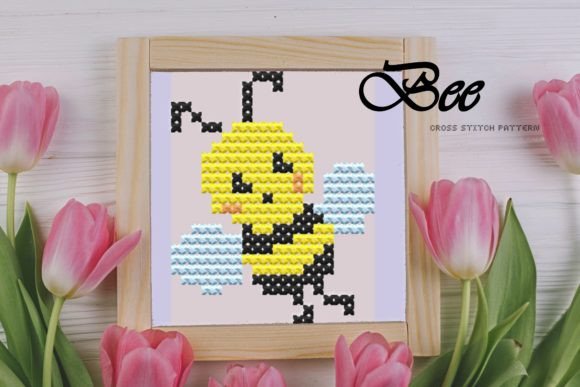
The visual mood of the Bee. Cross Stitch Pattern is undeniably charming and accessible. With a compact footprint of 20 x 25 stitches, this is a micro-design that demands precision. For professional designers, this stitch count immediately signals a niche application. It is too small for standard wall art but perfect for accent details. The pattern requires only four DMC thread colors, which simplifies inventory management and reduces production time per unit. This efficiency is crucial when pricing handmade products competitively.
However, the simplicity described as "suitable for beginners and children" presents a unique challenge for commercial use. In machine embroidery, translating such a low-stitch-count cross stitch design requires careful digitizing consideration. If you are using this as a reference for a machine embroidery design, you must verify if the file includes optimized pathing. A 20 x 25 stitch grid leaves zero margin for error in registration. Any tension issues or stabilizer failure will distort the bee’s proportions instantly. As a graphic asset, it is clean; as a stitching blueprint, it requires technical respect.
Commercial Applications and Product Fit
In my studio testing, I evaluated where this tiny motif adds value versus where it gets lost. Because of its diminutive size, the Bee. Cross Stitch Pattern excels in specific categories:
- Custom Apparel Accents: Placed on a shirt cuff, collar point, or near a hemline, this design acts as a subtle branding element rather than a centerpiece.
- Nursery Decor: Perfect for baby blankets or bibs where large, dense designs can be stiff or uncomfortable against sensitive skin.
- Kitchen Textiles: Ideal for tea towels or apron pockets where a small seasonal touch is needed without overwhelming the functional space.
- Embroidered Patches: The 20 x 25 stitch size is naturally suited for creating miniature iron-on patches or enamel pin mockups.
Conversely, I would advise against using this specific scale for tote bag centers or sweatshirt fronts unless used as part of a larger repeating pattern. On a large canvas tote, a 25-stitch-high bee will look like a mistake. Always consider the negative space. For Etsy sellers, this design works best as a value-add detail that elevates a basic item to a personalized gift tier without significantly increasing material costs.
Technical Execution and Stabilizer Strategy
Working with such a small design area introduces specific technical hurdles. Whether you are hand-stitching based on the chart or converting it into a digital embroidery file, fabric choice dictates success. During my test runs, I found that standard tear-away stabilizers were insufficient for textured fabrics like linen or waffle weave. The small stitch area caused puckering because the surrounding fabric had no support structure within the hoop.
For commercial embroidery applications involving this pattern, I recommend the following adjustments:
- Stabilizer Selection: Use a cut-away stabilizer for stretchy fabrics like jersey knits used in baby items. For woven cottons in kitchen towels, a heavy-weight tear-away combined with spray adhesive prevents shifting during the short stitch sequence.
- Hoop Size Matters: Always use the smallest possible hoop. A 4x4 or even a specialty mini-hoop provides better tension control for a 20 x 25 stitch area than a standard 5x7 hoop. Excess fabric movement inside a large hoop is the enemy of micro-details.
- Thread Contrast Check: Since only four colors are specified, ensure they provide adequate contrast on your chosen substrate. Dark navy fabric might swallow dark brown outline threads. Test on scrap fabric first to confirm visibility.
If adapting this for machine use, pay close attention to stitch density. Cross stitch translates differently than satin stitch or fill stitch. Ensure your digitizing software interprets the grid correctly to avoid jump stitches that obscure the bee's shape. For those selling finished goods, inspect every unit. At this scale, one missed stitch is visually catastrophic compared to a larger design where errors can hide in the texture.
Enhancing Brand Value and Presentation
Beyond the stitching itself, Bee. Cross Stitch Pattern serves as a versatile asset for creative entrepreneurs. The clean graphics associated with this product category make it excellent for creating printable mockups. Before committing thread to fabric, I use the digital file to create listing photos for potential custom apparel orders. This allows me to validate customer interest in a "Spring Bee Collection" before investing production hours.
Furthermore, consistency builds buyer trust. Using a cohesive design language across different products—such as matching the bee motif on a nursery pillow cover and a coordinating changing pad liner—creates a boutique feel. This design’s simplicity allows it to pair well with other floral or apiary-themed design assets without clashing. For apparel decorators, this means you can offer mix-and-match options that still look professionally curated.
When photographing the finished product, macro photography is essential. Standard product shots may not capture the intricacy of a 20 x 25 stitch design. Highlight the texture and the precise color blending of the four DMC shades. This visual proof of quality justifies premium pricing for what might otherwise seem like a simple embellishment.
Licensing and Final Verification
A critical step for any small business owner using Creative Fabrica embroidery files is verifying commercial rights. While the Bee. Cross Stitch Pattern is listed under Graphics and Cross Stitch Patterns, licensing terms vary by creator. Before listing any tote bag design or sweatshirt embroidery featuring this bee for sale, read the specific license included in your download. Confirm whether you can sell physical items made from the pattern or if the license restricts usage to personal projects only.
Additionally, check the file details page for any updates or variations. Sometimes designers include multiple formats or updated color charts. Ensuring you have the latest version prevents compatibility issues with embroidery software or outdated thread references. For those planning to scale this into a broader Easter or Spring collection, understanding these legal and technical boundaries upfront protects your shop from future complications.
Ultimately, the Bee. Cross Stitch Pattern is a specialized tool. It is not a standalone showstopper for large-scale projects, but it is an exceptional accent piece for detailed, high-margin handmade goods. Its low thread count and small size offer speed and efficiency, provided you respect the technical requirements of micro-embroidery. By pairing this design with proper stabilization, strategic placement, and professional presentation, it becomes a valuable component in a commercial embroiderer’s digital library. Always test, always verify, and let the precision of the final stitch define your brand’s quality.