Butterfly Cross Stitch Pattern: A Designer’s Review
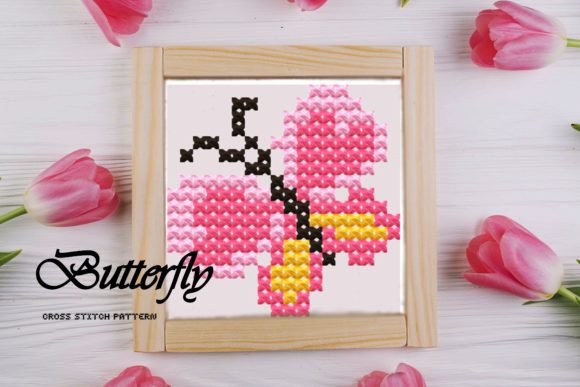
As a professional embroidery designer and product reviewer, I approach every new pattern with a critical eye toward production viability. When evaluating the Butterfly. Cross Stitch Pattern, my first assessment focuses on its utility for real-world projects rather than just its aesthetic charm. Listed under Crochet Patterns and categorized as Graphics, this digital asset presents an interesting opportunity for makers who bridge the gap between traditional needlework and modern product creation. With a compact footprint of 18 x 18 stitches and a four-color palette using DMC threads, this design demands a practical analysis of how it translates from a chart to a finished commercial or personal item.
First Impressions and Visual Personality
The immediate appeal of this butterfly motif lies in its economy of line. In an industry often saturated with overly dense, complex digitizations, a design that relies on only four thread colors suggests a clean, minimalist aesthetic. For an Etsy seller or small shop product developer, this simplicity is a strategic advantage. It creates a mood that is nostalgic yet uncluttered, making it highly versatile for spring and Easter collections without feeling dated.
Visually, the 18 x 18 stitch count indicates a micro-scale graphic. This is not a centerpiece design; it is an accent. As a reviewer, I see this functioning best as a subtle branding element or a delicate addition to a larger composition. The limited color requirement reduces thread changes and production time, which directly impacts profit margins for those running a craft business. However, such a small scale also means there is zero margin for error in tension or placement. The visual personality is gentle and accessible, perfectly aligned with the description of being suitable for beginners and children, but it requires experienced handling to maintain professional integrity on merchandise.
Real-World Application: The Custom Tea Towel Test
To truly evaluate this pattern, I mentally placed it into a specific production scenario: creating a line of premium linen tea towels for a boutique holiday collection. In this context, the Butterfly. Cross Stitch Pattern serves as a corner accent rather than a central image. When stitching a design this small on woven fabric, the interaction between the thread and the fabric texture becomes paramount.
In my assessment, this design would excel as a repetitive border element or a scattered field of motifs on a tote bag or apron. Because it uses standard DMC colors, sourcing materials for batch production is seamless. For a personalized gift, such as a baby bib or a child’s sweatshirt, the four-color limit prevents the embroidery from becoming too heavy or stiff against sensitive skin. This is a crucial consideration for baby embroidery where comfort dictates quality. The design’s modest size allows it to be positioned near cuffs, collars, or pocket edges without interfering with garment construction or wearability.
However, if you are adapting this cross stitch chart into a machine embroidery design, caution is required. Converting an 18-stitch grid into machine code requires careful attention to stitch density. A direct conversion might result in gaps or poor coverage. I recommend treating this graphic as a conceptual guide for creating a custom applique design or a simplified running stitch outline for machine work, rather than expecting a plug-and-play digital embroidery file.
Critical Considerations for Fabric and Hoop Size
While the design is beginner-friendly, professional application requires respecting physical limitations. An 18 x 18 stitch design is exceptionally small. Standard embroidery hoops may struggle to hold tension for such a tiny area without significant stabilization. If you are producing custom apparel or embroidered patches, you must verify your minimum hoop size capabilities before committing to production.
- Textured Fabrics: On terry cloth or waffle weave, a design this small risks getting lost in the pile. You will need a water-soluble topping to ensure the stitches remain visible and crisp.
- Stretchy Materials: For sweatshirt embroidery or knit caps, the small stitch count can actually be beneficial as it minimizes fabric distortion. However, proper stabilizer selection is non-negotiable to prevent puckering around such a concentrated area.
- Dark Fabrics: With only four colors specified, contrast is key. If the designated DMC shades are pastel, they will vanish on navy or black fabric. Always test thread colors against your specific substrate.
- Curved Surfaces: Placing this butterfly on a cap or sleeve curve requires precise alignment. At this scale, even a 2mm shift is visually obvious.
For sellers offering printable mockups or digital previews, ensure the representation accurately reflects the stitch definition. Customers buying finished products based on digital assets need to trust that the physical item matches the preview. Misrepresenting the scale or detail level of an 18-stitch design can lead to returns and negative reviews.
Professional Designer Notes and Best Practices
Before adding this butterfly to your inventory of design assets, adhere to these professional protocols to ensure commercial viability and customer satisfaction:
- Verify Licensing: Confirm whether this pattern permits commercial embroidery of finished goods or if it is restricted to personal use. This distinction is vital for Etsy sellers and boutique owners.
- Test Stitch-Outs: Never skip sampling. Stitch the design on scrap fabric identical to your final product. Inspect registration, tension, and color balance under natural lighting.
- Check Contrast in Monochrome: View the design in black and white during the planning phase. If the values are too similar, the butterfly will lack definition regardless of thread color vibrancy.
- Evaluate Washability: If intended for kitchen towels or baby items, test wash durability. Small designs can sometimes unravel if perimeter locking stitches are insufficient.
- Scale Appropriately: Respect the integrity of the original art. Enlarging an 18-stitch design excessively will result in pixelation or jagged lines. If a larger size is needed, seek a vector version or redigitize specifically for the target size.
- Mockup Accuracy: When listing handmade products, photograph actual samples rather than relying solely on software renderings. Real-world texture builds buyer confidence.
Final Verdict on Production Value
The Butterfly. Cross Stitch Pattern offers genuine value for makers who understand its niche. It is not a standalone showstopper but a refined component for layered, thoughtful design work. Its strength lies in its efficiency and accessibility, making it ideal for high-volume holiday embroidery runs or entry-level kits for children. For the experienced designer, it serves as a reminder that impact does not always require complexity.
Success with this pattern depends entirely on execution. By respecting the constraints of the 18 x 18 stitch count, selecting appropriate stabilizers, and verifying commercial rights, you can transform this simple graphic into a profitable asset. Whether used as a charming accent on a tote bag design or a teaching tool for young stitchers, this butterfly earns its place in a professional portfolio through versatility and classic appeal. Just remember: in embroidery, the smallest details often demand the most disciplined craftsmanship.