Counted Cross Stitch Sugar Skull: A Designer's Review
As a professional embroidery designer and product reviewer, I approach every new pattern with a critical eye toward production viability. When evaluating the Counted Cross Stitch Sugar Skull from Miss Whimsy, my primary concern is not just the aesthetic appeal, but how this graphic translates into a tangible, sellable, or giftable item. In the saturated market of Cross Stitch Patterns, finding a design that balances traditional charm with modern commercial application is rare. This review dissects the practical realities of stitching this specific sugar skull motif for real-world projects, moving beyond basic descriptions to address fabric behavior, stitch clarity, and end-product value.
First Impressions and Visual Personality
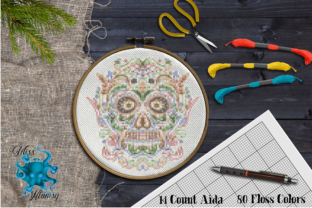
Upon opening the digital file, the Counted Cross Stitch Sugar Skull immediately establishes a distinct mood. Unlike generic holiday graphics, this design carries a specific personality that blends reverence with playful geometry. For a maker or Etsy seller, this visual balance is crucial. The layout suggests a centered composition that naturally draws the eye, making it an excellent candidate for focal points on apparel or home decor. The detail level appears optimized for counted thread work, avoiding muddy areas where colors might bleed visually once stitched. As a piece of Graphics intended for needlework, it respects the grid nature of cross stitch while maintaining organic curves through strategic color placement. This initial assessment confirms that the design has been digitized or charted with the final texture in mind, rather than simply being a raster image converted blindly into stitches.
Real-World Application: The Custom Tote Bag Test
To truly evaluate this design, I mentally placed it into a current client project: a series of custom canvas tote bags for a boutique Day of the Dead pop-up shop. In this scenario, the Counted Cross Stitch Sugar Skull needs to perform on unbleached cotton canvas. This fabric texture presents specific challenges; the weave is visible, and the surface is slightly uneven compared to Aida cloth.
For this tote bag design application, the sugar skull’s bold outlines are its greatest asset. When stitching on canvas, fine details can get lost in the fabric weave. However, this pattern utilizes clear color blocking that remains legible even on textured backgrounds. If you are creating custom apparel or accessories like this, consider using a slightly heavier weight thread or doubling strands to ensure the design pops against the natural fiber. The geometric symmetry of the skull also aids in centering, which is often the most difficult aspect of placing embroidery on constructed bags. From a business perspective, this design offers high recognition value; customers browsing a craft fair booth will identify the motif instantly from a distance, increasing engagement and potential sales.
Navigating Fabric Constraints and Hoop Sizes
While the Counted Cross Stitch Sugar Skull is versatile, it requires careful consideration regarding substrate selection. Not all fabrics are created equal when executing detailed counted work. Here are practical observations on where to exercise caution:
- Stretchy Fabrics: If adapting this for a sweatshirt or t-shirt, the grid-based nature of cross stitch can distort on knits. You must use a robust stabilizer and potentially a water-soluble topping to maintain stitch alignment. Without proper stabilization, the square pixels of the sugar skull may warp into diamonds, ruining the visual integrity.
- Dark Fabrics: Traditional cross stitch relies on the fabric showing through as negative space. On black or navy fabric, verify that the thread colors specified in the pattern provide sufficient contrast. You may need to adjust the palette to brighter neons or metallics to prevent the design from disappearing.
- Small Hoop Sizes: Before committing to a mini-hoop ornament or patch, check the minimum dimensions. Intricate facial features on the sugar skull require a certain number of crosses to remain distinct. Reducing the scale too aggressively can result in a loss of definition.
- Curved Surfaces: For caps or curved pillow covers, the rigid grid of counted cross stitch fights against the curve. This design works best on flat planes. If attempting a cap, consider stitching the Counted Cross Stitch Sugar Skull as an embroidered patch first, then attaching it to the curved surface.
Commercial Viability for Makers and Sellers
For creative entrepreneurs and small shop owners, time is money. The Counted Cross Stitch Sugar Skull scores well on production efficiency due to its organized color transitions. Excessive confetti stitching—where single stitches of different colors are scattered randomly—can slow down production significantly. This design appears to group colors logically, allowing for faster completion times whether you are hand-stitching inventory or setting up a machine-assisted workflow.
When listing finished products on platforms like Etsy, presentation matters. Use this design to create cohesive collections. Because the sugar skull theme bridges cultural appreciation and trendy aesthetics, it pairs well with both traditional folk art items and modern geeky merchandise. For digital product sellers offering the pattern itself, ensure your listing photos show the design on multiple fabric types to demonstrate versatility. Always confirm licensing terms before selling finished goods; understanding whether you have personal or commercial embroidery rights protects your business and builds trust with your customer base.
Essential Technical Notes for Success
Before loading this embroidery file or threading your needle for a final project, adhere to these professional best practices to ensure a premium result:
- Test Stitch First: Never run a new design directly onto a final product. Stitch the Counted Cross Stitch Sugar Skull on scrap fabric identical to your project material. Check for tension issues, color accuracy, and overall size.
- Verify Stabilizer Choice: Match your stabilizer to the fabric weight. Lightweight linen needs tear-away; stretchy jersey needs cut-away; sheer fabrics may require wash-away. The wrong stabilizer causes puckering that ruins the crisp lines of the skull.
- Contrast Check: View your thread palette in natural light and artificial light. Colors shift dramatically between environments. Ensure the outline color contrasts sharply with both the background fabric and the fill colors.
- Mockup Validation: Create a printable mockup or digital preview at actual size. Print it out and hold it against the garment or item. This reveals scaling issues that screens often hide.
- Wash Testing: If producing tea towels, baby items, or apparel, wash your test sample. Some threads shrink differently than fabric, causing distortion after laundering. Confirm colorfastness to avoid bleeding on light fabrics.
Elevating the Handmade Product Value
Ultimately, the success of any handmade product lies in the execution. The Counted Cross Stitch Sugar Skull provides a strong foundation, but the maker adds the value through precision. Clean backs, consistent tension, and appropriate framing or finishing distinguish a professional piece from an amateur attempt. When used correctly, this design communicates quality and intentionality. Whether you are crafting a personalized gift for a friend or stocking shelves for the holiday season, treating this pattern with technical respect ensures the final output honors both the art form and the subject matter. By focusing on fabric compatibility, proper stabilization, and thoughtful color choices, you transform a digital graphic into a cherished physical artifact that stands the test of time and trends.