Hamsa Hand Cross Stitch Pattern: A Merch Review
As an embroidery designer specializing in commercial applications for small businesses, I approach every new graphic with a specific set of criteria. When evaluating the Hamsa Hand Cross Stitch Pattern, my focus shifts immediately from personal crafting to commercial viability. For boutique owners, café operators, and handmade brand creators, this design offers more than just aesthetic appeal; it presents a unique opportunity to integrate cultural symbolism into small business merch. The description promises a tool to "cleanse negative energy," which translates in a retail environment to creating a welcoming, positive atmosphere for customers. However, transitioning a cross stitch PDF into a functional asset for custom apparel or embroidered patches requires a critical technical review to ensure professional results.
Visual Personality and Brand Alignment
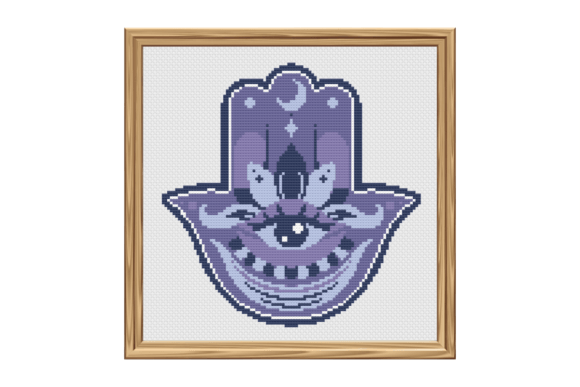
My first impression of the Hamsa Hand Cross Stitch Pattern is that it strikes a balance between rustic authenticity and modern bohemian elegance. Unlike vector-based clip art, the pixelated nature inherent in Cross Stitch Patterns provides a distinct texture that signals "handmade" to the consumer. For a florist, yoga studio, or artisanal bakery, this visual language builds immediate trust. It suggests that the business values tradition and craftsmanship. In terms of brand identity, the Hamsa serves as a powerful icon of protection and welcome. When used on merchandise, it transforms a standard product into a meaningful token. However, because this is originally a digital graphic intended for hand stitching, business owners must assess whether the grid-like aesthetic aligns with their specific market positioning. It feels organic and friendly, making it ideal for lifestyle brands but perhaps less suitable for corporate or industrial uniforms requiring sharp, high-contrast precision.
Commercial Applications for Small Business Merchandise
The versatility of the Hamsa Hand Cross Stitch Pattern shines when applied to tangible business assets. I have evaluated this design across several key merchandise categories relevant to local commerce:
- Embroidered Patches: This is arguably the strongest application. The defined shape of the Hamsa lends itself perfectly to patch creation. For a creative studio or Etsy seller, these can be sold as standalone accessories or used as branded packaging accents on mailers and boxes.
- Apron Embroidery: For cafés and bakeries, placing this design on the chest or pocket area of an apron adds a layer of spiritual warmth to the staff uniform. It acts as a conversation starter with patrons who appreciate mindful branding.
- Tote Bag Design: Reusable shopping bags are staples for boutiques. The Hamsa motif works exceptionally well here, reinforcing the idea of ethical consumption and positive vibes while serving as a walking advertisement for the shop.
- Cap Embroidery: While possible, this requires careful scaling. As a centered front logo, it can look striking, but the design must be simplified to accommodate the curvature of the hat and the limitations of cap embroidery hoops.
- Customer Gifts: Small embroidered linens or coasters featuring this pattern serve as excellent thank-you gifts, enhancing customer retention through thoughtful, value-driven gestures.
Technical Constraints and Production Considerations
While the artistic merit is clear, the technical translation from a PDF instruction file to a machine embroidery design demands caution. Since the product delivers a PDF rather than a native digital embroidery file (like .DST or .PES), businesses will need to digitize the graphic or hire a professional digitizer. This step is non-negotiable for commercial quality. During this process, several factors regarding stitch density and fabric interaction must be addressed.
One major consideration is size. Cross stitch designs often rely on blocky pixels that can become muddy if scaled down too small for a sleeve cuff or collar tag. I recommend testing the Hamsa Hand Cross Stitch Pattern at various sizes to determine the minimum threshold where the fingers remain distinct and the eye detail does not get lost. Additionally, fabric texture plays a massive role. On smooth cotton twill or canvas tote bags, the design will render crisply. On textured linen or ribbed knits, the cross-stitch simulation may compete with the fabric weave, reducing legibility.
For items requiring frequent washing, such as staff uniforms or café aprons, the stabilizer choice is critical. Because cross stitch simulations can be dense, using a cut-away stabilizer is often necessary to prevent puckering and maintain the structural integrity of the design over time. Without proper backing, the intricate details of the Hamsa could distort after the first industrial wash cycle, diminishing the perceived value of your finished product.
Impact on Customer Trust and Product Value
Integrating the Hamsa Hand Cross Stitch Pattern into your product line does more than decorate; it communicates values. In the current market, consumers are increasingly drawn to brands that offer emotional resonance alongside physical goods. A handmade product featuring this symbol suggests mindfulness and care. For an Etsy seller, this differentiation can justify a higher price point compared to generic alternatives. The design acts as a visual anchor that ties together disparate products under a cohesive theme of wellness and protection.
However, consistency is key. If you use this pattern on a tote bag design, ensure the thread colors and scale match those used on your apron embroidery or stationery. Visual inconsistency can make a brand look disjointed. By treating this cross stitch pattern as a core element of your design assets, you create a recognizable signature that customers associate with your specific business ethos. This recognition fosters loyalty and encourages repeat engagement, turning casual buyers into brand advocates.
Professional Designer Notes for Implementation
Before launching any merchandise featuring the Hamsa Hand Cross Stitch Pattern, I strongly advise following this pre-production checklist to avoid costly errors:
- Verify Licensing: The product description mentions receiving a PDF upon download but does not explicitly state commercial usage rights. Always confirm you have permission to use the design for profit before selling merchandise or creating staff uniforms.
- Create a Printable Mockup: Before stitching, print the design at actual size and tape it to the intended garment or item. This helps visualize placement and proportion without wasting materials.
- Test in Black and White: Run a sample stitch-out using only black thread on white fabric. This reveals the true structure and clarity of the design without the distraction of color blending. If the silhouette isn't readable in monochrome, the digitizing needs adjustment.
- Check Thread Color Contrast: Ensure your chosen thread colors provide sufficient contrast against your merchandise base color. A dark blue Hamsa on a navy apron will disappear; opt for metallics, creams, or bright accents to ensure visibility.
- Confirm Hoop Size Compatibility: Measure the final design dimensions against your machine’s available hoop size. If the Hamsa exceeds your maximum field, you may need to resize or split the design, which alters the stitch count and appearance.
- Inspect Spacing and Density: If digitizing from the PDF, ensure there is adequate spacing between the "pixels" of the cross stitch to prevent needle breaks and excessive bulk. Commercial embroidery requires optimized density for durability.
- Compare Beside Other Assets: Place the Hamsa mockup next to your existing logo and typography. Does it complement or clash? Your commercial embroidery should feel like part of a unified family of graphics.
The Hamsa Hand Cross Stitch Pattern holds significant potential for small businesses looking to infuse their merchandise with meaning and artisanal charm. By approaching it with a professional mindset—validating technical specs, respecting licensing, and prioritizing production quality—you can transform this digital graphic into a valuable asset that enhances your brand narrative and delights your customers. Whether adorning a barista’s apron or a boutique’s signature tote, this design bridges the gap between ancient symbolism and modern commerce, provided it is executed with the precision that your business deserves.