Kokopelli Ornament Cross Stitch: A Designer’s Review
As a professional embroidery designer and product reviewer, I approach every new pattern with a critical eye toward production viability. When evaluating the Kokopelli Ornament Cross Stitch, my primary focus is not just on the cultural aesthetic or the charm of the motif, but on how this design translates from a digital graphic to a tangible, sellable product. For Etsy sellers, boutique owners, and serious hobbyists, a pattern must be more than visually appealing; it must be structurally sound for real-world application. This review breaks down the practical performance of this specific cross stitch pattern for those considering it for commercial inventory or high-value personalized gifts.
First Impressions and Visual Personality
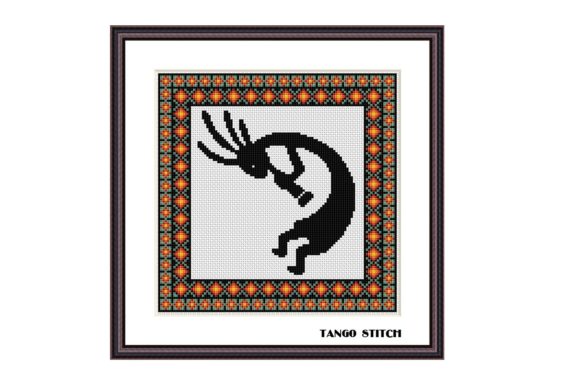
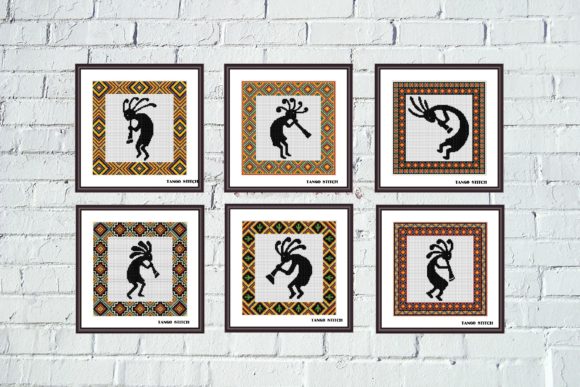
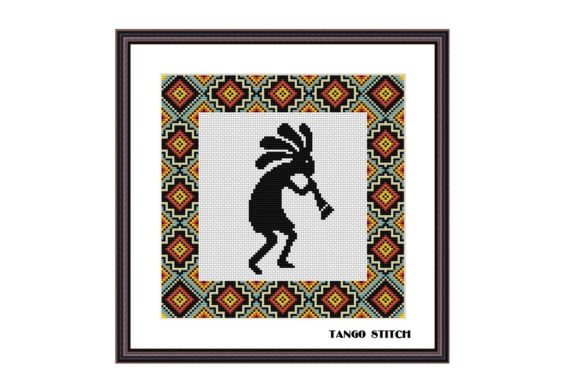
The immediate strength of the Kokopelli Ornament Cross Stitch lies in its distinct silhouette. In the crowded market of ethnic embroidery designs, clarity is king. This design captures the iconic humpbacked flute player shape without unnecessary clutter. Because the product description specifies that this pattern uses only full stitches, it presents a clean, pixelated aesthetic that honors traditional cross stitch roots while remaining legible at various scales. For a designer, this simplicity is a massive advantage. It avoids the muddiness that often plagues complex machine embroidery designs when resized.
The mood is undeniably festive yet culturally grounded. It strikes a balance between a holiday ornament and a year-round appreciation of Southwestern art. From a branding perspective, this versatility allows small shop products to remain relevant beyond the December rush. The visual weight of the design feels balanced, suggesting it will anchor a project well without overwhelming lighter fabrics. As a graphic asset, it has strong potential for printable mockups because the high-contrast nature of full stitches photographs exceptionally well for digital listings.
Real-World Application: The Tote Bag Test
To truly evaluate this design, I mentally placed it into a current client scenario: creating a line of natural canvas tote bags for a museum gift shop. Custom apparel and accessories require designs that withstand handling and washing. The Kokopelli Ornament Cross Stitch is an ideal candidate here because the "full stitch only" construction reduces thread buildup. Unlike dense satin stitch or heavy fill stitch areas common in other machine embroidery files, cross stitch relies on a grid structure that allows the fabric to breathe.
On a textured canvas tote bag, this design maintains its integrity. The geometric nature of cross stitch complements the weave of the canvas rather than fighting against it. For an Etsy seller, this means fewer production errors and less puckering. I can envision this design centered on a 15-inch tote or scaled down as a pocket accent on a denim apron. The cultural resonance adds perceived value to the finished product, transforming a basic utility item into a meaningful piece of art. Customers looking for authentic handmade products respond well to this level of thematic consistency.
Performance Across Different Substrates
Versatility is crucial for any commercial embroidery project. While this design shines on stable woven fabrics, its performance varies elsewhere:
- Sweatshirt Embroidery: Excellent choice. The open structure of cross stitch prevents the "bulletproof" stiff feeling that dense designs cause on knitwear. It drapes naturally with the garment.
- Baby Embroidery: Highly recommended due to low profile. Full stitches are generally smoother against sensitive skin than raised satin columns, making this safe for nursery decor or bibs.
- Holiday Embroidery Ornaments: The intended use case remains the strongest. On Aida cloth or linen, the stitch definition is crisp, making for high-end craft fair products.
- Kitchen Towels: Perfect fit. The design absorbs moisture well and doesn't create a barrier on terry cloth or flour sack cotton.
Critical Considerations and Limitations
No design is universal, and professional judgment requires acknowledging where the Kokopelli Ornament Cross Stitch might struggle. While the full-stitch composition is forgiving, it demands respect for fabric texture. On highly irregular surfaces like boucle or thick fleece, the precise grid alignment required for cross stitch can become distorted. If you are planning custom apparel on such materials, consider using this as an embroidered patch instead, stitching it onto twill first before applying it to the garment.
Dark fabrics present another challenge. Cross stitch relies heavily on contrast. If stitching this onto black or navy material, you must verify your thread colors provide sufficient pop. A dark red Kokopelli on a burgundy sweatshirt will disappear in photography and in person. Always test light-on-dark combinations before committing to bulk production. Additionally, while the design is labeled "easy," beginners should still check the hoop size requirements. Even simple designs can fail if the tension is uneven. For stretchy fabrics, a robust stabilizer is non-negotiable to prevent the grid from warping during the stitching process.
Commercial Value and Brand Consistency
For creative entrepreneurs, this design serves as a reliable anchor for brand identity. The specific ethnic style appeals to a niche demographic that values cultural appreciation and artisanal quality. When used consistently across a product line—perhaps matching pillow covers, tea towels, and wall hangings—it builds recognition. Professionalism in handmade goods comes from this cohesion. Furthermore, because the design uses standard full stitches, it is easier to color-match across different brands of floss or machine threads, ensuring that your boutique branding remains consistent whether you are hand-stitching a sample or running a machine embroidery batch.
The "beginner-friendly" aspect also opens up revenue streams for digital product sellers. Offering this as a downloadable embroidery file or PDF pattern caters to the DIY community. However, always clarify licensing. Ensure you have the right to sell the finished physical product versus the digital asset itself. Transparency builds customer trust and protects your business.
Designer Notes for Production Success
Before adding the Kokopelli Ornament Cross Stitch to your permanent catalog, adhere to these professional protocols:
- Stitch Out Verification: Never skip the test run. Stitch the design on scrap fabric identical to your final product. Check for registration issues and thread tension.
- Density Check: Confirm the stitch density matches your fabric weight. If the design feels too stiff on lightweight linen, consider reducing thread tension or using a finer thread weight.
- Mockup Testing: Create both color and black-and-white printable mockups. This helps identify if the design relies too heavily on color differentiation or if the shape stands alone.
- Wash Testing: For items like baby clothes or kitchen towels, wash and dry the test piece three times. Cross stitch can sometimes snag; ensure the backside is neat or properly backed to prevent wear.
- Color Contrast Audit: View your thread selection under natural and artificial light. What looks vibrant on screen may look dull in store lighting.
Ultimately, the Kokopelli Ornament Cross Stitch is a robust, versatile asset for makers and businesses alike. Its reliance on full stitches makes it a dependable workhorse for everything from personalized gifts to commercial merchandise. By respecting the technical requirements of cross stitch and leveraging its strong visual identity, you can create finished products that resonate deeply with customers and stand the test of time. Whether you are an experienced apparel decorator or a new Etsy seller, this pattern offers a blend of cultural charm and production practicality that is hard to find in generic design libraries.