Patterns Embroidery Geometric Design Set Review
As a professional embroidery designer specializing in commercial branding and merchandise production, I approach every new digital asset with a critical eye toward manufacturability. When evaluating the Patterns Embroidery Geometric Design Set, my primary focus is not just aesthetic appeal, but how these graphics translate into thread on fabric for small business applications. This review analyzes the set from the perspective of an apparel decorator and merch creator looking to elevate brand identity through custom embroidery.
First Impressions: Professional Versatility Over Decoration
Upon reviewing the assets included in this collection, the immediate impression is one of structured versatility. While the product description highlights home decor applications like wall art, floor pillows, and tapestries, the geometric nature of these patterns makes them exceptionally strong candidates for commercial use. Unlike organic or floral designs that can sometimes appear too casual or feminine for certain industries, geometric patterns convey stability, precision, and modernity.
For a small business owner, this visual language is crucial. The designs feel professional yet accessible, striking a balance between handmade warmth and corporate polish. They do not look like generic clip art; rather, they possess the intentionality required for high-end brand identity work. Whether intended for a creative studio, a boutique bakery, or a pet brand, the clean lines suggest a level of quality that builds customer trust before they even touch the finished product.
Real-World Business Applications for Merchandise
The true value of the Patterns Embroidery Geometric Design Set lies in its adaptability across various small business merch categories. In my experience outfitting local businesses, geometric fills and borders are often the missing link between a plain garment and a branded uniform.
- Staff Uniforms and Aprons: For cafés and florists, full-back logos can be expensive and heavy. These geometric patterns serve as excellent sleeve accents, pocket details, or hem borders on apron embroidery projects. They add texture and visual interest without overwhelming the staff member or interfering with functional pockets.
- Tote Bags and Packaging: Retailers often seek ways to make reusable packaging feel premium. A repeating geometric motif on a canvas tote bag transforms it from a freebie into a desirable fashion accessory. This increases the likelihood of customers reusing the bag, providing ongoing organic marketing.
- Embroidered Patches: Geometric shapes digitize beautifully for patches because their defined edges allow for clean merrowed borders. These designs can function as standalone morale patches or as complementary background elements behind a primary logo, adding depth to custom apparel.
- Cap Embroidery: Caps present unique challenges due to curvature and limited space. The structured nature of these patterns allows for scalable placement on cap sides or back straps, where complex illustrations often fail.
Technical Considerations and Production Limitations
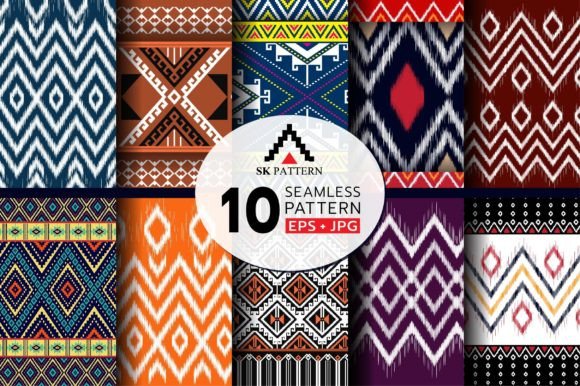
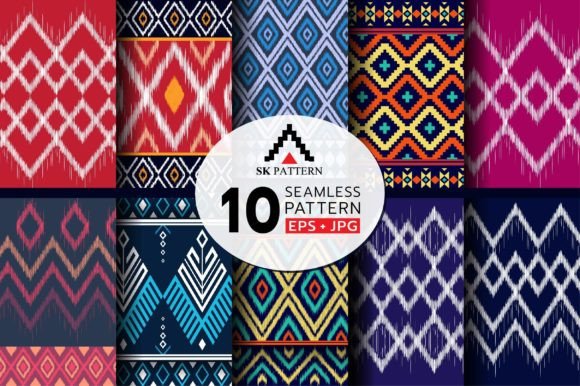
While the aesthetic potential is high, any experienced machine embroidery designer knows that vector graphics must be evaluated for stitch performance. The Patterns Embroidery Geometric Design Set includes 10 EPS files. It is vital to note that EPS is primarily a vector graphic format, not a native embroidery file format like DST or PES. This means these files serve as design assets that require professional digitizing or conversion before hitting the machine.
When planning production, consider the following technical constraints:
Stitch Density and Fabric Texture
Geometric patterns often rely on satin stitches or dense fill areas to maintain crisp lines. On textured fabrics like linen aprons or canvas totes, high stitch density can cause puckering if not properly managed. You must verify that the digitized version of these patterns includes appropriate underlay and pull compensation. If you are digitizing these EPS files yourself, avoid solid blocks of stitch; instead, opt for textured fills that reduce thread usage and prevent fabric distortion.
Scaling for Small Formats
While these patterns may look stunning on throw blankets, scaling them down for a 2-inch chest logo or a hat requires caution. Intricate geometric details can become muddy when reduced. Before committing to a bulk order of commercial embroidery, test the design at your smallest intended size. Ensure that internal negative spaces remain open and that outlines do not merge. If the design loses clarity at small sizes, it should be reserved for larger formats like tote bags or jacket backs.
Color Contrast and Thread Selection
Geometric designs depend heavily on contrast to define their shapes. When selecting thread colors, avoid low-contrast combinations (e.g., navy thread on black fabric) unless you are aiming for a subtle, tonal effect. For maximum visibility on dark uniforms, ensure the digitizer includes a white underlay base to make the top colors pop. Always run a sew-out on the actual production fabric, as screen colors rarely match thread reality perfectly.
Impact on Brand Value and Customer Perception
Incorporating the Patterns Embroidery Geometric Design Set into your merchandise strategy does more than decorate a product; it signals attention to detail. Customers associate intricate, well-executed embroidery with higher value. A simple printed logo feels disposable, whereas an embroidered geometric accent suggests longevity and craftsmanship.
For Etsy sellers and handmade brands, consistency is key to recognition. Using a specific geometric pattern from this set as a recurring motif across tags, packaging, and products creates a cohesive visual system. This repetition reinforces brand identity and helps distinguish your work in a saturated market. Furthermore, because these are digital assets, you maintain control over the presentation, allowing for rapid iteration and seasonal color updates without redesigning your core logo.
Essential Designer Notes for Successful Implementation
To maximize the ROI on this design set, follow this pre-production checklist:
- Verify Licensing: Before using these assets for client work or selling finished goods, confirm the commercial license terms included with the download. Ensure you have the right to use the designs for merchandise sales versus personal use only.
- Create Printable Mockups: Since EPS files are vector-based, use them to create accurate printable mockups for client approval before spending time digitizing. This saves hours of revision time and sets clear expectations regarding scale and placement.
- Test Stabilizer Pairings: Geometric patterns demand stability. Test different stabilizer types (cut-away vs. tear-away) on your target substrate. A crisp geometric line will reveal any stabilization failure immediately.
- Check Hoop Size Compatibility: Review the dimensions of all 10 patterns against your available hoops. Some geometric sets include large-scale repeats intended for quilts; ensure the specific design you want fits your machine’s maximum embroidery area or can be split seamlessly.
- Black and White Testing: Digitize or convert a test version in single-color black first. This reveals structural issues in the pattern flow that multicolor versions might hide. If the design reads well in monochrome, it will succeed in full color.
The Patterns Embroidery Geometric Design Set offers a robust foundation for small business merchandise, provided it is treated as a professional design asset rather than a plug-and-play solution. By respecting the technical requirements of machine embroidery and leveraging the set's inherent structural elegance, decorators and brand owners can create merchandise that feels intentional, premium, and distinctly branded. Always prioritize testing and proper digitizing to ensure these beautiful patterns perform as well on the hoop as they do on the screen.