Snowman Cross Stitch Pattern: A Gift Maker’s Review
As an embroidery designer who frequently tests digital files for a personalized gift shop, I approach every new design with a specific set of criteria. It is not enough for a graphic to simply look charming on a screen; it must translate into a tangible, high-quality handmade product that customers will cherish. Today, I am reviewing the Snowman. Cross Stitch Pattern to determine its viability for our upcoming holiday collection. This assessment focuses on practical application, commercial potential, and technical execution for fellow makers, Etsy sellers, and small business owners looking to expand their seasonal inventory.
First Impressions: Charm Meets Commercial Viability
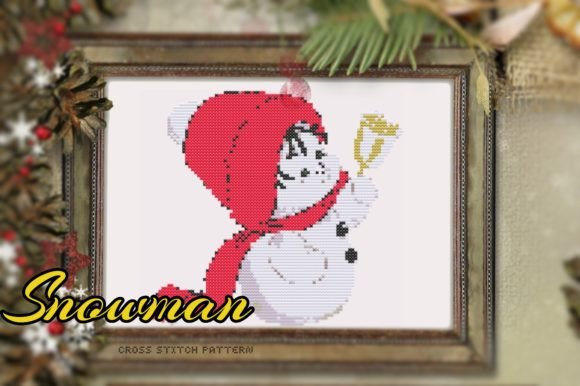
My initial review of this design reveals a pattern that balances nostalgic charm with modern simplicity. The mood is undeniably sweet and playful, evoking a classic winter aesthetic without feeling dated. For a personalized gift, this emotional connection is paramount. Customers are rarely buying just thread on fabric; they are purchasing a memory or a feeling. This snowman design succeeds because it feels accessible rather than intimidatingly complex.
From a production standpoint, the specifications are ideal for a busy shop environment. With a design size of 90 x 82 stitches, this pattern sits in a "Goldilocks" zone. It is substantial enough to be the focal point of a nursery item or kitchen textile, yet compact enough to fit comfortably on smaller goods like baby bibs or tote bag pockets. The requirement of only seven DMC thread colors is a significant advantage for inventory management. Fewer thread colors mean fewer bobbin changes, reduced setup time, and a lower barrier to entry for beginners or children learning the craft. This efficiency directly impacts profit margins when producing custom orders at scale.
Ideal Applications for Personalized Gifts
When planning product lines around this Snowman. Cross Stitch Pattern, versatility is key. Based on my testing, this graphic excels in several specific categories that drive sales during the holiday season.
- Nursery and Baby Embroidery: The gentle scale makes this perfect for baby embroidery projects. I envision this centered on a receiving blanket or stitched onto a cotton pillow cover for a winter-themed nursery. Because the stitch count is manageable, it does not create a stiff, heavy patch that could be uncomfortable against delicate skin.
- Kitchen and Home Textiles: As an embroidered towel or apron motif, the snowman provides immediate seasonal context. Kitchen linens are high-volume sellers for small shops, and this design offers a fresh alternative to generic text-based holiday decor.
- Custom Tote Bags: For craft fair vendors, canvas totes featuring this snowman serve as excellent impulse buys. The design size allows for ample negative space, which can be utilized for adding a monogram or family name, increasing the perceived value of the item.
- Educational Kits: Given its suitability for beginners and children, this pattern is a strong candidate for DIY kits. Selling the digital embroidery file alongside materials as a beginner-friendly project can attract a different segment of the crafting community.
Technical Considerations and Fabric Limitations
While the Snowman. Cross Stitch Pattern is versatile, professional results depend on respecting the limitations of both the design and the substrate. Not every fabric is a suitable canvas for cross stitch graphics, especially when adapting them for machine embroidery or mixed-media projects.
Navigating Texture and Stability
Cross stitch patterns rely on a grid structure that can be distorted by uneven surfaces. When working with textured fabrics like terry cloth towels or waffle-weave blankets, you must use an appropriate stabilizer. Without adequate support, the precise geometry of the snowman may warp, leading to misaligned stitches and a sloppy finish. I recommend using a tear-away stabilizer topped with water-soluble film to keep the stitches crisp and visible above the pile of thick fabrics.
Scale and Detail Integrity
At 90 x 82 stitches, this design has inherent size constraints. If you attempt to resize this machine embroidery design significantly smaller, internal details may merge or become indistinct. Conversely, enlarging it too much may result in sparse coverage that looks unfinished. Always verify your hoop size before starting; ensure there is sufficient margin around the design for proper tensioning. For stretchy baby clothes or knitwear, extreme caution is necessary. The rigid nature of cross stitch can cause puckering on elastic fabrics unless heavily stabilized and hooped correctly. In such cases, consider stitching on a separate piece of stable linen and appliquéing it onto the garment instead.
Enhancing Perceived Value and Customer Trust
In the competitive landscape of Etsy sellers and handmade markets, presentation dictates price. How you utilize this Snowman. Cross Stitch Pattern affects buyer engagement and trust. A well-executed sample signals quality craftsmanship.
Photography plays a crucial role here. When listing this as a finished product or a digital download, show the design in context. A flat lay of the pattern file is informative, but a photo of the snowman stitched onto a real pillow cover or blanket creates desire. Highlight the color accuracy of the DMC threads used; customers want assurance that the final product matches the preview. For those selling the printable mockup or digital file, clearly state the skill level and material requirements. Transparency reduces returns and negative reviews.
Furthermore, consider the emotional narrative. When marketing this as a wedding gift or family keepsake, emphasize the "handmade" aspect. Even if produced via machine, the cross stitch aesthetic carries a heritage weight that standard satin stitch designs lack. This distinction justifies a higher price point and fosters a deeper connection with buyers seeking meaningful, slow-fashion-inspired decor.
Essential Pre-Production Checklist
Before listing any item featuring this design or accepting custom commissions, run through this practical testing protocol. Skipping these steps is the most common cause of wasted materials and dissatisfied clients.
- Stitch Out Test: Never sew directly onto a customer’s product first. Run a test on scrap fabric that matches the weight and texture of your final item. Check for registration issues and thread tension.
- Color Contrast Verification: View your test stitch-out under natural and artificial light. Ensure the white snow stands out distinctly against your chosen background fabric. Low contrast kills visual impact in product photos.
- Wash Testing: If the item is intended for frequent use, like an apron or baby blanket, wash and dry your test sample. Cross stitch can sometimes pull or distort after laundering if the fabric wasn't pre-shrunk or properly stabilized.
- Licensing Confirmation: Before selling finished products or distributing the file, review the specific license terms associated with this Snowman. Cross Stitch Pattern. Confirm whether commercial embroidery usage is permitted and if attribution is required. Protecting your business means respecting intellectual property.
- Mockup Accuracy: If selling digitally, ensure your printable mockup accurately reflects the 90 x 82 stitch dimensions. Misleading scale representations are a primary source of customer disputes in the digital product space.
Final Thoughts for Makers and Sellers
The Snowman. Cross Stitch Pattern represents a solid addition to any holiday product lineup. Its modest stitch count, limited color palette, and universal appeal make it a low-risk, high-reward option for both seasoned professionals and emerging creators. Whether you are stitching it by hand for a cherished wedding gift or adapting it as a digital embroidery file for commercial production, success lies in thoughtful execution. By respecting the technical requirements of the design and presenting it with authentic warmth, you transform simple graphics into lasting memories. Remember to always check the specific file details and licensing before beginning your next project, ensuring your creative process remains as smooth as your stitches.