Elephants Christmas Cross Stitch: Merch Review
As a professional embroidery designer specializing in commercial applications, I approach every new graphic with a critical eye toward production viability. When evaluating the Elephants Christmas Cross Stitch Pattern for small business merchandise, my primary concern is not just aesthetic appeal, but how this design translates from a digital chart to a tangible, sellable asset. For boutique owners, café operators, and handmade brands, this pattern offers a unique intersection of festive charm and compact geometry that warrants serious consideration for branded goods.
Visual Personality and Brand Alignment
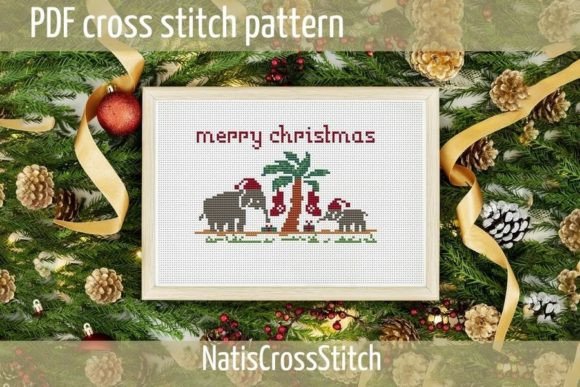
The first impression of the Elephants Christmas Cross Stitch Pattern is one of structured whimsy. Unlike fluid, painterly machine embroidery designs, cross stitch graphics possess an inherent pixelated clarity that reads exceptionally well at smaller scales. This specific design carries a friendly yet disciplined visual weight. It does not feel overly juvenile; rather, it strikes a balance between playful holiday spirit and professional craftsmanship.
For businesses like florists, pet boutiques, or artisanal bakeries, this aesthetic supports a brand identity rooted in warmth and tradition. The geometric nature of the elephant motif suggests stability and reliability, while the Christmas elements add seasonal relevance without overwhelming the core logo or brand mark. When used as part of your design assets, this pattern communicates a "handmade product" value proposition that mass-produced corporate clip art simply cannot achieve. It signals to customers that your business values detail, patience, and traditional techniques.
Technical Specifications for Commercial Production
Before digitizing or stitching this for commercial use, we must analyze the provided technical data. The cover model was stitched with 2 strands of DMC floss over 1 thread on 14-count Aida White color. The finished stitched area is precisely 83 x 53 stitches, resulting in dimensions of 15.1 x 9.6 cm (6 x 3.75 inches). These specifications are crucial for determining application suitability.
A width of 6 inches makes this design ideal for tote bag design, apron embroidery, or work shirt back prints. However, for cap embroidery or sleeve details, this size is too large. As an experienced designer, I advise against simply shrinking a cross stitch pattern significantly, as this can distort the grid alignment and cause registration issues. If you require a smaller chest logo or patch size, you should verify if a scaled-down version of this embroidery file exists or plan to re-digitize the graphic specifically for high-density machine embroidery at a reduced scale.
Stitch Density and Fabric Considerations
Cross stitch patterns rely on full coverage. When converting this for custom apparel, pay close attention to stitch density. The original 2-strand specification creates a lush, textured surface on 14-count fabric. If you are adapting this for lighter weight fabrics often used in staff uniforms or summer merchandise, you may need to adjust the underlay or reduce thread count to prevent puckering. Conversely, for heavy canvas tote bags or denim aprons, maintaining higher density ensures the design stands out against the fabric texture.
Strategic Applications for Small Business Merch
The versatility of the Elephants Christmas Cross Stitch Pattern lies in its rectangular aspect ratio. This shape fits naturally into standard hoop sizes and maximizes usable space on various products. Here is how I recommend deploying this design across different business verticals:
- Holiday Pop-Up Shops: Use this as a limited-edition embroidered patch for shopping bags or gift wrap tags. The festive theme drives urgency, while the elephant motif remains relevant beyond December.
- Pet Brands and Groomers: Apply this as a sleeve detail on staff polos. The animal theme aligns perfectly with the industry, and the compact 6-inch width fits comfortably on most adult sleeves without restricting movement.
- Cafés and Bakeries: Incorporate the design into apron embroidery. Placed on the bib or lower pocket, it adds seasonal character to uniforms without interfering with functional pockets or ties.
- Etsy Sellers: Create a printable mockup featuring this design on linen napkins or ornament blanks. Even if you sell the physical item later, the digital presentation helps validate market interest before committing to bulk production.
Critical Production Warnings and Limitations
While this design is robust, there are specific scenarios where caution is required. Cross stitch aesthetics do not always translate seamlessly to curved surfaces. Cap embroidery, for example, presents significant challenges for this type of grid-based artwork. The curvature of a hat front can distort the perpendicular lines essential to the cross stitch look. Unless you have specialized cap frames and digitizing software capable of compensating for this distortion, I recommend reserving this pattern for flat goods only.
Additionally, consider the washing requirements of your intended end-use. Staff uniforms and aprons face frequent laundering. High-stitch-count designs can act as sponges, retaining water and increasing drying time. Ensure you test washability on your chosen stabilizer and fabric combination. Dark uniforms also present a contrast challenge; since the reference model uses white Aida, you must verify that your thread colors maintain sufficient contrast against navy, black, or forest green garments. Always run a sew-out test on the actual production fabric before approving a bulk order.
Enhancing Customer Trust Through Quality Execution
In the competitive landscape of small business merch, execution equals trust. A poorly registered design or fraying threads on an embroidered patch suggests negligence. By respecting the technical parameters of the Elephants Christmas Cross Stitch Pattern, you protect your brand reputation. Customers associate crisp, clean stitching with premium quality. When they receive a tote bag or garment featuring this design, the tactile experience of the cross stitch texture reinforces the perception of your business as thoughtful and detail-oriented.
This level of care extends to digital presentation as well. Before listing items online, create accurate mockups that reflect the true scale and color of the finished product. Misrepresenting the size or vibrancy leads to returns and negative reviews. Use the exact dimensions (15.1 x 9.6 cm) in your product descriptions to manage buyer expectations effectively.
Designer’s Pre-Production Checklist
To ensure successful commercial embroidery projects using this pattern, follow this practical workflow:
- Verify Licensing: Confirm that your purchase includes commercial usage rights for selling finished products. Personal use licenses do not cover business merchandise.
- Black and White Test: Print the chart in grayscale to check contrast levels. If the elephant blends into the background in monochrome, it may lack definition when stitched in similar-value thread colors.
- Hoop Size Confirmation: Measure your available hoops. With a 6-inch width, ensure you have adequate margin for stabilization. A 7x5 or larger hoop is recommended to prevent frame marks near the design edge.
- Stabilizer Selection: Match stabilizer weight to fabric. Use cutaway for knits and tear-away for wovens. Test both to see which maintains the grid structure better.
- Client Approval Mockup: Never assume a client understands stitch charts. Provide a photo-realistic mockup showing the design in context on their specific merchandise.
- Thread Color Audit: Compare DMC references against your machine embroidery thread brand. Colors vary between manufacturers; physical comparison prevents unexpected results.
The Elephants Christmas Cross Stitch Pattern represents more than just a seasonal decoration; it is a viable component of a broader merchandise strategy. By understanding its technical constraints and leveraging its distinctive aesthetic, small business owners can create branded goods that resonate with customers and stand the test of both wear and time. Whether applied to a boutique tote or a studio apron, this design delivers professional results when treated with the respect due to any serious commercial embroidery asset.