DIY Hand Embroidery Pattern: A Designer’s Review
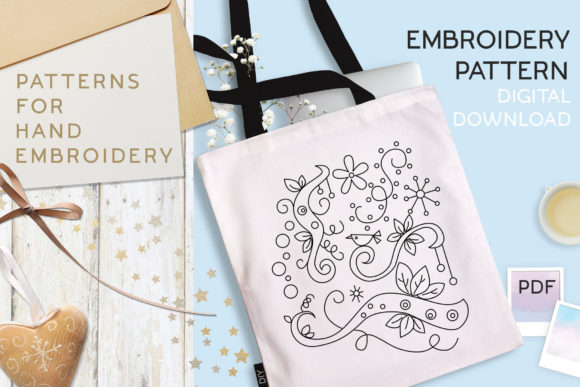
As a professional embroidery designer and product reviewer, I approach every new DIY Hand Embroidery Pattern with a critical eye. It is not enough for a design to simply look charming on a screen; it must translate effectively into thread, fabric, and ultimately, a sellable or giftable item. When evaluating this specific bird and branches motif, my primary focus is on its versatility as a modern whimsical asset for both hobbyists and small business owners. The aesthetic immediately suggests a balance between organic flow and structured stitchability, which is often the hardest combination to achieve in Hand Embroidery Patterns. This review breaks down how this graphic performs when moved from digital concept to tangible finished product.
First Impressions: Whimsy Meets Structural Integrity
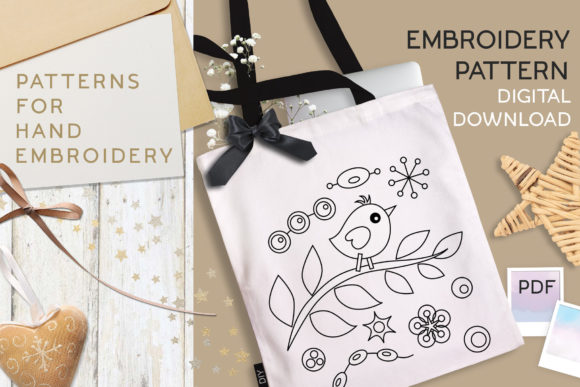
The initial visual impact of this DIY Hand Embroidery Pattern is undeniably soft and inviting. The bird and branches theme taps into a perennial favorite in the maker community, but the "modern whimsical" descriptor is key here. Unlike traditional folk art that can sometimes feel stiff or overly dense, this layout appears to embrace negative space. For an Etsy seller or creative entrepreneur, this is crucial. Negative space reduces stitch time and prevents the fabric from puckering, especially on lighter weight materials.
From a design perspective, the flow of the branches dictates the stitching path. A well-designed pattern guides the needle naturally, minimizing unnecessary jumps and thread waste. In this case, the organic lines suggest a heavy reliance on running stitch and stem stitch for the botanical elements, while the bird likely offers opportunities for texture through satin stitch or long-and-short shading. This variety keeps the embroidery project engaging for the maker and visually interesting for the buyer. As a digital product preview, the artwork communicates a sense of calm and craftsmanship that aligns perfectly with current market trends for slow fashion and mindful crafting.
Real-World Application: Stitching the Tote Bag Test
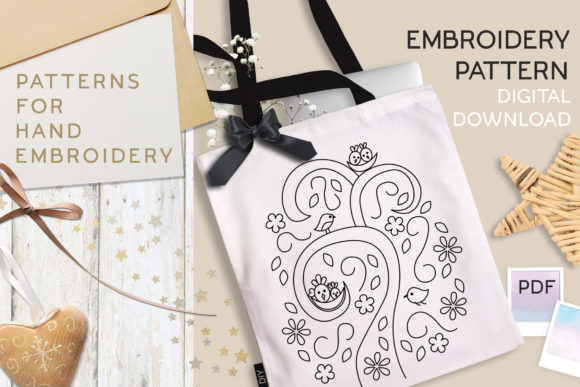
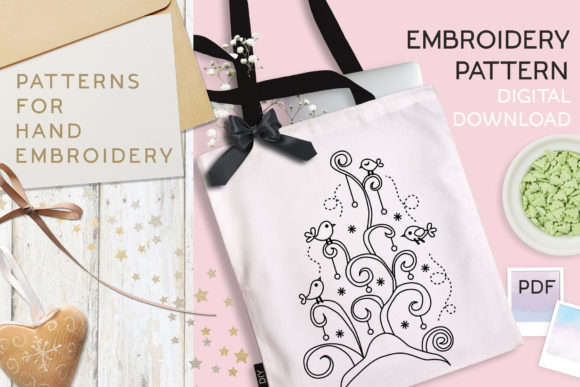
To truly evaluate this DIY Hand Embroidery Pattern, I mentally placed it onto a natural cotton canvas tote bag, one of the most common substrates for commercial embroidery and personal use. Tote bags present unique challenges: the fabric is sturdy but textured, and the finished item undergoes significant wear and tear.
In this scenario, the bird and branches design serves as an excellent focal point without overwhelming the functional nature of the bag. Because the design features open branches rather than a solid block of color, it allows the canvas texture to breathe. If I were producing this as a small shop product, I would position the motif slightly off-center or near the top hem to create a high-end boutique feel. The whimsical style pairs exceptionally well with unbleached or oatmeal-colored canvas, creating a cohesive handmade product aesthetic that customers associate with quality and sustainability.
However, practical judgment requires considering durability. For a tote bag design, I would recommend reinforcing the branch lines with a backstitch or doubling up the running stitch strands to ensure they do not snag during daily use. The bird element, if filled, should be kept relatively flat. High-relief embroidery on a bag that gets tossed onto car seats and countertops will eventually show signs of abrasion. By keeping the profile low and the stitches secure, this pattern maintains its integrity as a reliable design asset for merchandise.
Navigating Fabric Limitations and Hoop Constraints
While this DIY Hand Embroidery Pattern shines on stable woven fabrics, caution is required when adapting it for more challenging textiles. As a reviewer, I must emphasize that "whimsical" often implies delicate lines, which can disappear or distort on highly textured fabrics like terry cloth or chunky knits.
- Stretchy Fabrics: If applying this to a sweatshirt or jersey knit, proper stabilization is non-negotiable. The fluid lines of the branches will warp if the fabric shifts during stitching. Use a cut-away stabilizer and consider a water-soluble topping to prevent stitches from sinking into the pile.
- Dark Fabrics: Modern whimsical designs often rely on subtle color gradients. On dark backgrounds, these nuances can be lost. Test your thread colors against the specific fabric swatch before committing. You may need to increase contrast or add a light outline to maintain definition.
- Small Hoop Sizes: Before purchasing or downloading, always verify the dimensions against your available hoops. Resizing intricate bird details or tiny leaf veins can compromise stitch density and clarity. If the pattern is too large for your hoop, check if the designer provides segmented files or alternative sizing options.
For baby embroidery or items requiring frequent washing, avoid using metallic threads or loose French knots within this design. Safety and durability must take precedence over pure aesthetics in these categories. The pattern’s simplicity actually works in its favor here, as it can be easily adapted to smoother, safer stitch types suitable for sensitive skin and rigorous laundering.
Commercial Viability and Brand Consistency
For those operating a craft business or selling on platforms like Etsy, consistency is currency. This DIY Hand Embroidery Pattern possesses a distinct personality that can anchor a collection. It bridges the gap between nursery decor and adult apparel, allowing sellers to diversify their inventory without losing brand identity. Imagine offering a matching set: a personalized gift featuring the bird motif on a baby bib, paired with a coordinating mama sweatshirt. This cross-category potential increases the lifetime value of a single design asset.
When creating printable mockups or listing photos, ensure the design is photographed in natural lighting to accurately represent thread sheen and texture. Digital renders can be useful, but customers trust photos of actual stitched samples. Showcasing the design on multiple substrates—a pillowcase, a book cover, and an apron—demonstrates versatility and helps buyers visualize the end result. This builds confidence and reduces pre-sale inquiries regarding size and suitability.
Essential Designer Notes for Success
Before integrating this DIY Hand Embroidery Pattern into your production workflow or personal stash, adhere to these professional best practices:
- Always Test Stitch: Never assume a digital file translates perfectly to your specific machine or hand tension. Run a test on scrap fabric identical to your final project to check registration and density.
- Verify Licensing: Confirm whether the license permits commercial use of finished items versus digital redistribution. Protecting your business means respecting intellectual property terms explicitly stated by the creator.
- Check Thread Compatibility: Review the recommended thread palette. Some whimsical designs rely on variegated or specialty threads that may not be colorfast. For holiday embroidery or gifts intended to last, stick to high-quality, wash-fast rayon or polyester threads.
- Evaluate Detail Scale: Inspect the smallest elements of the bird and branches. If you plan to resize the pattern down significantly, ensure the details remain legible. Sometimes, simplifying a design for smaller applications yields a better result than forcing complex artwork into a tiny space.
- Mockup in Black and White: Viewing the design in grayscale helps identify value contrast issues independent of color. If the bird blends into the branches in black and white, it will lack depth in real life regardless of how vibrant the threads are.
Ultimately, this DIY Hand Embroidery Pattern represents a strong contender for makers seeking a blend of artistic charm and practical application. Its success lies not just in its whimsical appearance, but in its adaptability across various mediums and markets. Whether you are embellishing a simple pillowcase for your home or developing a signature line of embroidered goods for your shop, approaching this design with technical mindfulness ensures the final result honors both the artistry of the pattern and the quality of your craftsmanship.