Elephant 3 Appliqué Sewing Pattern Review
As an Etsy seller and small business owner constantly scouting for fresh designs, I approach every new acquisition with a critical eye. It is not enough for a design to simply be cute; it must be commercially viable, technically sound, and versatile enough to justify the time invested in sampling and listing creation. When evaluating the Elephant 3 Appliqué Sewing Pattern from Creative Fabrica, I looked specifically at how this hand embroidery pattern translates into sellable goods for a modern handmade product shop. This review breaks down the commercial potential, aesthetic value, and practical considerations for fellow creative entrepreneurs looking to expand their inventory.
Aesthetic Profile and Market Positioning
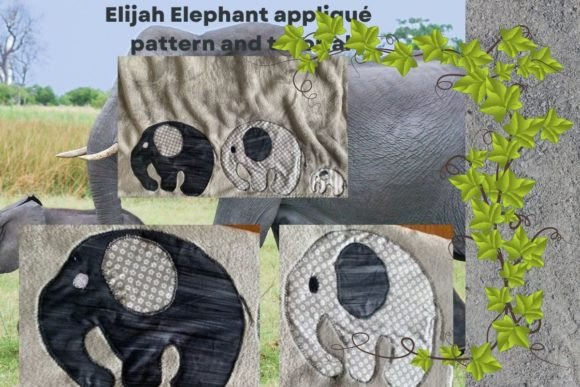
The first question any craft business owner must ask is where a design fits within current market trends. The Elephant 3 Appliqué Sewing Pattern leans heavily into a whimsical yet classic aesthetic that bridges the gap between nursery decor and boho-chic apparel. Based on the description of "Elly" and the raw edge sewing technique, this design feels inherently playful and organic. Raw edge appliqué offers a textured, rustic charm that differs significantly from the polished look of satin stitch machine embroidery. This texture is currently highly desirable in the personalized gift market because it implies a handmade, artisanal quality that mass-produced items cannot replicate.
For Etsy sellers, this visual personality suggests strong performance in specific niches. The design does not feel overly juvenile, which expands its demographic reach beyond just baby embroidery. While it is perfect for children’s items, the raw edge style also appeals to adults seeking custom apparel or home decor with a folk-art influence. The inclusion of three distinct templates adds significant value, allowing sellers to create cohesive collections rather than isolated listings. This variety supports a boutique merchandise strategy where customers can mix and match elephant motifs across different products.
Best Product Applications for Small Shops
When planning my production schedule, I categorize designs by their best-suited substrates. The Elephant 3 Appliqué Sewing Pattern appears exceptionally well-suited for soft goods and textiles that benefit from texture. Here is how I envision integrating this digital embroidery file into a profitable product lineup:
- Baby Blankets and Nursery Decor: This is the most obvious application. The gentle nature of the elephant motif makes it a staple for baby showers. However, using raw edge appliqué on minky or cotton flannel adds a tactile element that photographs beautifully for social media previews.
- Tote Bag Design: Canvas tote bags are high-margin items for craft fairs and online shops. The bold, graphic nature of these elephant templates ensures readability even from a distance. A raw edge finish on natural canvas creates a trendy, eco-friendly aesthetic that resonates with modern shoppers.
- Sweatshirt Embroidery: Custom apparel is a massive revenue driver. Placing one of these smaller elephant templates on the chest pocket area or cuff of a sweatshirt creates a subtle, premium detail. This works particularly well for seasonal collections or mom-life merchandise.
- Kitchen Towel Embroidery: For those focusing on handmade home decor, flour sack towels with animal motifs are consistent bestsellers. The lightweight nature of hand embroidery patterns means they won't weigh down functional linens like heavy machine embroidery files sometimes do.
- Embroidered Patches: Because there are three designs included, sellers could produce a set of iron-on patches. This transforms a single digital asset into multiple SKU opportunities.
Enhancing Buyer Value and Giftable Appeal
In the competitive landscape of Creative Fabrica embroidery and Etsy, perceived value drives conversion. The Elephant 3 Appliqué Sewing Pattern supports higher price points through customization and storytelling. Raw edge appliqué allows for unique fabric choices that make each finished product one-of-a-kind. Unlike a standard machine embroidery design that looks identical every time, hand-stitched raw edges have slight variations that buyers associate with true craftsmanship.
Furthermore, having three templates enables better bundling strategies. Sellers can offer a "Nursery Set" featuring all three elephants on coordinating items, increasing average order value. From a photography standpoint, the distinct shapes of the elephants serve as excellent focal points. They are easy to stage in flat lays and lifestyle shots, making product photography more efficient. When creating printable mockups for digital listings or pre-orders, clear, recognizable silhouettes like these elephants help customers visualize the final result instantly, reducing hesitation and cart abandonment.
Practical Seller Notes and Technical Considerations
Before adding this Hand Embroidery Patterns category item to your shop, due diligence is essential. As experienced sellers know, a PDF pattern requires different preparation than a plug-and-play digital embroidery file. Always confirm the specific license terms on the Creative Fabrica product page before selling finished goods. Licensing for hand embroidery patterns can differ from machine embroidery files, and ensuring you have commercial rights for physical products is non-negotiable.
Testing is mandatory. I recommend stitching out at least one sample of the Elephant 3 Appliqué Sewing Pattern before launching any listings. Pay close attention to the following technical aspects during your sampling phase:
- Fabric Compatibility: Test the raw edge technique on various fabrics intended for your shop. What works on quilting cotton may fray excessively on linen or knits. Determine if you need fusible web or specific stabilizer to maintain clean edges during the stitching process.
- Thread Colors and Texture: Experiment with different thread weights. A thicker pearl cotton might enhance the rustic vibe, while standard stranded floss offers a more delicate look. Document which combinations photograph best under natural light.
- Hoop Size and Tension: Verify the dimensions of all three templates. Ensure they fit comfortably within your preferred hoop size without requiring excessive re-hooping. Consistent tension is vital for raw edge work to prevent puckering, especially on lighter weight fabrics like kitchen towels.
- Stitch Density and Time: Calculate exactly how long each elephant takes to complete. Hand embroidery is labor-intensive. If a design takes four hours but the market rate for similar items is low, it may not be sustainable for your craft business. Accurate timing ensures your pricing covers materials, overhead, and fair wages.
- Thumbnail Readability: Photograph your sample at thumbnail size. Does the elephant read clearly when the image is small? If the raw edges blend too much into the background fabric, consider using higher contrast thread or fabric pairings for your main listing photos.
Strategic Integration for Creative Entrepreneurs
Ultimately, the Elephant 3 Appliqué Sewing Pattern represents a versatile asset for sellers who specialize in textile arts. Its strength lies in its adaptability across categories ranging from baby embroidery to custom apparel. By treating this pattern as a foundation for a broader collection rather than a standalone item, sellers can maximize their return on investment.
Remember to leverage the "DIY wild animal beginners thread art pattern" aspect in your marketing. Even if you are selling finished products, highlighting the beginner-friendly nature of the design can attract customers who appreciate accessible, unpretentious art. For those who also sell digital supplies, this pattern could inspire tutorials or kits, further diversifying income streams. Whether used for embroidered patches, pillow covers, or personalized gifts, success comes from thoughtful execution and understanding the unique commercial attributes of raw edge hand embroidery.