Whimsical Tree Embroidery: A Designer’s Practical Review
When evaluating Hand Embroidery Patterns for commercial or personal use, I look beyond the digital preview. As a designer who creates finished goods for clients and my own shop, I need to know if a pattern translates well from screen to fabric. The Whimsical Tree Embroidery design caught my eye not because of complexity, but because of its approachable charm. In a market saturated with overly dense machine embroidery designs, this hand embroidery pattern offers a refreshing simplicity that speaks to current aesthetic trends. However, simplicity in graphics does not always guarantee success in stitching. Here is my honest assessment of how this whimsical tree and birds motif performs in real-world applications, specifically for makers and small business owners.
First Impressions and Visual Personality
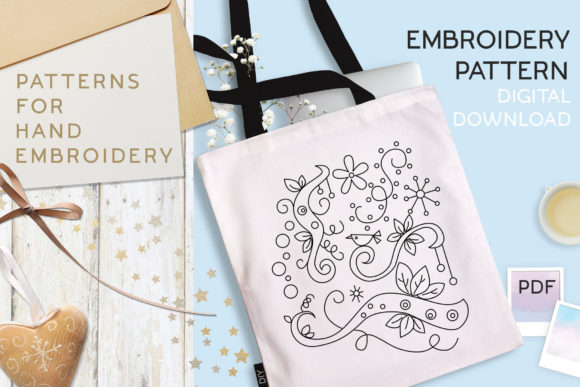
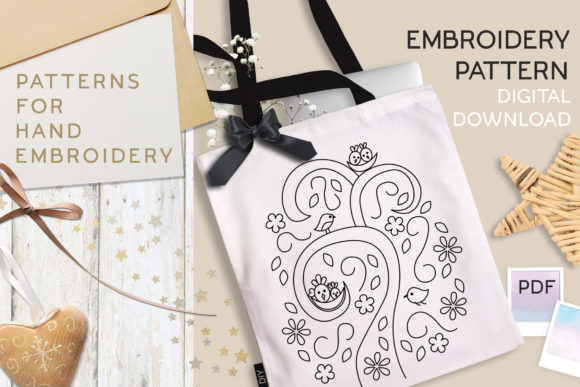
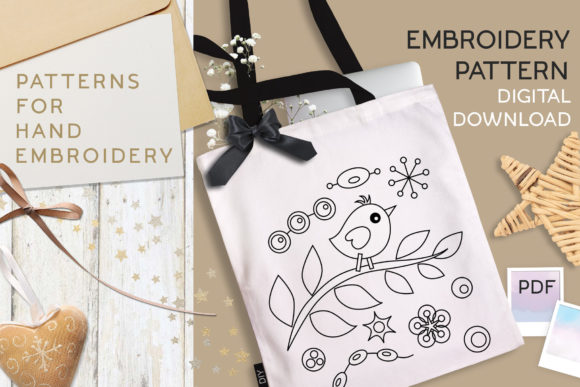
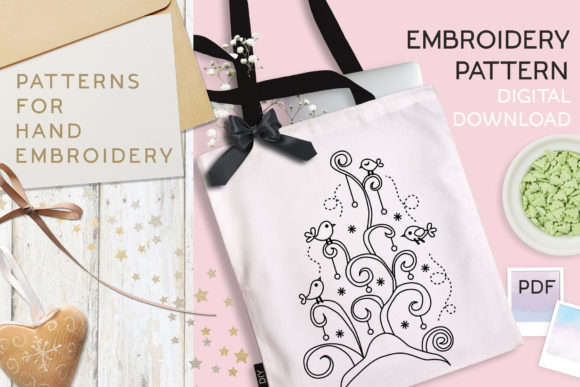
The immediate strength of Whimsical Tree Embroidery lies in its balanced composition. The layout feels organic rather than rigid, which is crucial for creating a handmade product that doesn't look mass-produced. The interplay between the tree structure and the bird elements creates a natural focal point without overwhelming the negative space. For an Etsy seller or boutique owner, this visual breathing room is valuable. It allows the design to sit comfortably on various substrates without looking cluttered.
From a graphic design perspective, the lines are clean enough to serve as a reliable guide for hand stitching, yet they possess enough character to avoid looking like a generic clip-art outline. This balance is essential when you are selling design assets or finished items; customers can instantly recognize the style as intentional and artistic. The mood is undeniably cozy and nostalgic, making it particularly suitable for nursery decor, cottage-core apparel, and eco-friendly accessories.
Real-World Application: The Custom Tote Bag Test
To truly evaluate this pattern, I mentally applied it to one of my most frequent client requests: a custom canvas tote bag. Tote bags are a staple for craft business merchandise and personalized gifts, but they present specific challenges due to fabric texture and durability requirements.
For a tote bag design, Whimsical Tree Embroidery works exceptionally well because the scale is adaptable. When transferring this pattern to unbleached canvas, the whimsical nature of the tree softens the utilitarian feel of the bag. I envision using a combination of stem stitch for the branches to add fluidity and satin stitch for the birds to create a tactile contrast. Because the pattern is described as simple and easy to follow, it reduces the risk of puckering on heavier canvas, provided you use the correct stabilizer.
If you are a maker creating inventory for a craft fair, this design stitches up relatively quickly compared to dense floral patterns. This efficiency matters for profit margins. The "whimsical" aspect also photographs beautifully for printable mockups and social media listings. The distinct silhouette reads clearly even in thumbnail images, helping drive buyer engagement before they even click on your product page.
Navigating Fabric Choices and Technical Constraints
While versatile, Whimsical Tree Embroidery requires thoughtful placement. Not every fabric is a friend to this specific aesthetic. Here is where I advise caution based on professional experience:
- Textured Fabrics: On highly textured linen or burlap, the finer details of the birds may get lost. If stitching on these surfaces, consider slightly thickening the transfer lines or opting for bolder thread choices to maintain clarity.
- Stretchy Knits: For sweatshirt embroidery or baby clothes, the open nature of this design is safer than a dense fill stitch, which can cause fabric distortion. However, you must use a cut-away stabilizer to prevent the tree from warping after washing. Always test on a scrap piece of the exact garment material first.
- Dark Fabrics: Since this is primarily a line-based pattern, contrast is everything. On navy or black fabrics, ensure your thread colors provide sufficient pop. A light variegated thread for the tree and bright solids for the birds can elevate the design from flat to dynamic.
- Curved Surfaces: If adapting this for caps or curved pouches, be mindful of the horizontal spread. You may need to adjust the aspect ratio of the graphics slightly to compensate for the curve, ensuring the tree doesn't appear to lean unnaturally.
Commercial Viability and Product Value
For those running a small shop product line, consistency is key to brand recognition. Whimsical Tree Embroidery has a distinct voice that pairs well with other nature-inspired motifs. It adds perceived value to basic blanks. A plain tea towel becomes a personalized gift when adorned with this thoughtful imagery. Similarly, a standard apron transforms into boutique merchandise.
However, professionalism comes from execution. Even though the pattern is simple, sloppy tension or poor color matching will devalue the item. When listing this as a finished product, highlight the hand-stitched quality. Customers trust sellers who demonstrate mastery over their materials. If you are selling the digital embroidery file or pattern itself, be transparent about what is included. Clearly state whether this is strictly a hand embroidery pattern or if it includes digitized formats for machines. Misunderstandings regarding file types are a common source of friction in the digital marketplace.
Essential Notes for Makers and Sellers
Before you commit to a production run or list a new item featuring Whimsical Tree Embroidery, please adhere to these practical checkpoints:
- Verify Licensing: Never assume commercial rights. Check the specific license terms provided with the graphics. Confirm whether you can sell finished embroidered items, digital derivatives, or both. Protecting your business starts with respecting intellectual property.
- Test Stitch Density: If you are adapting this hand pattern for a machine embroidery design, do not rely solely on auto-digitizing. The whimsical flow often requires manual adjustment to running stitches and satin columns to preserve the organic feel.
- Mockup Validation: Create black and white mockups alongside colored ones. This helps you judge the value contrast independent of hue, ensuring the design remains legible across different fabric backgrounds.
- Hoop Size Confirmation: Measure your intended placement area carefully. While the design is adaptable, stretching it too far can distort the proportions of the birds relative to the tree. Maintain the original aspect ratio for the best visual result.
- Wash Testing: If selling baby embroidery or kitchen textiles, wash your sample three times before listing. Ensure the thread colors remain colorfast and the stabilizer holds up against agitation. Customer trust is built on durability.
Final Thoughts on Design Utility
Whimsical Tree Embroidery succeeds because it understands its audience. It bridges the gap between beginner-friendly accessibility and professional aesthetic appeal. For the hobbyist, it offers a satisfying project that builds confidence. For the creative entrepreneur, it provides a reliable, attractive motif that translates across multiple product categories, from holiday embroidery gifts to everyday apparel.
Ultimately, the value of any embroidery pattern lies in its versatility and the emotional connection it fosters. This design delivers on both fronts. By approaching it with technical mindfulness and respecting the nuances of your chosen substrate, you can turn these simple graphics into high-value, cherished creations. Whether you are embellishing a book cover, a tote bag, or a nursery wall hanging, let the whimsy guide your needle, but let professional standards guide your process.