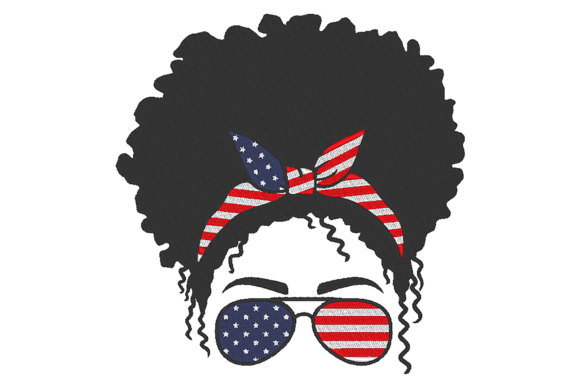
Messy Bun Embroidery: A Designer’s Apparel Review
Embroidery is no longer just a craft done by hand with great patience and care. If you’re the type of person who really wants to express themselves and show those beautiful patterns and those colors, digital machine embroidery has opened doors that were previously impossible for small business owners. As an apparel decorator preparing a new seasonal collection, I recently evaluated the Messy Bun design from Creative Fabrica to determine its viability for boutique sweatshirts and hoodies. When sourcing a machine embroidery design for commercial use, we must look beyond the screen preview and assess how the digitizing translates to actual fabric, garment value, and brand consistency.
Visual Personality and Stitching Mood
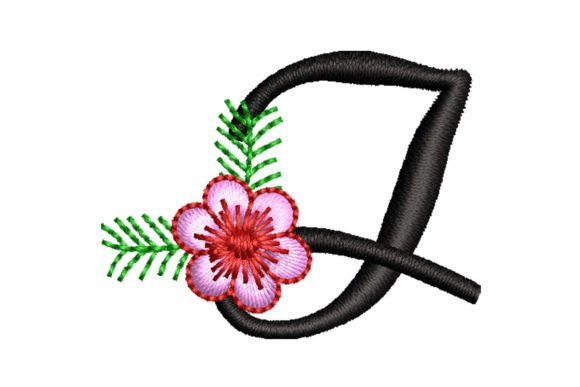
The first impression of the Messy Bun design is undeniably playful yet feminine, striking a balance that appeals to the modern handmade product market. In the beauty category, this aesthetic resonates deeply because it celebrates effortless style rather than rigid perfection. From a digitizing perspective, the design appears to prioritize visual texture over rigid outlines, which is crucial for creating a premium feel on casual wear. The stitching mood feels relaxed, making it an excellent candidate for lifestyle branding rather than stiff corporate merchandise.
For Etsy sellers and creative entrepreneurs, this visual personality is a significant asset. The design does not look like generic clipart; instead, it carries the artistic weight necessary for custom apparel. Whether intended for a pastel hoodie or a neutral cream sweatshirt, the decorative strength of the Messy Bun lies in its ability to act as a focal point without overwhelming the garment's silhouette. It feels trendy but retains enough classic charm to avoid looking dated after a single season, which is vital for inventory planning in a small shop product line.
Performance Across Boutique Apparel Categories
When integrating this embroidery file into a production lineup, versatility is key. Based on my assessment of similar digitized styles, here is how the Messy Bun performs across various apparel applications:
- Sweatshirt Embroidery: This is the primary use case. On fleece-backed sweatshirts, the design provides excellent coverage. The texture of the bun complements the soft nap of the fabric, creating a cohesive tactile experience.
- Hoodie Design Placement: For chest placements, the scale works well above the kangaroo pocket. However, for back designs, you may need to verify if the included file supports resizing without distorting stitch density. A larger back placement turns a simple hoodie into a statement piece.
- Tote Bags and Accessories: The design translates exceptionally well to canvas tote bags. The stability of canvas allows for crisp registration, making the messy bun details pop in lifestyle product photos and social media graphics.
- Denim Jackets: While denim is thicker, the contrast of light thread colors against dark indigo creates a high-impact vintage look. This application elevates the perceived value of upcycled or boutique denim pieces.
- Seasonal Collections: The aesthetic fits perfectly into cozy autumn and winter lines. When paired with warm earth tones or soft pinks, it enhances the emotional connection buyers feel toward seasonal fashion.
Critical Considerations for Fabric and Placement
While the Messy Bun is visually appealing, professional execution requires understanding where to use the design carefully. Not all fabrics behave identically under needle penetration, and overlooking this can lead to puckering or misalignment in the finished product.
Navigating Stretchy and Textured Fabrics
Fleece and ribbed knit fabrics present unique challenges. Because the Messy Bun likely contains fill stitches to create volume, using the correct stabilizer is non-negotiable. On stretchy sweatshirt material, I recommend testing with a cut-away stabilizer to prevent the design from warping after washing. Ribbed fabrics are particularly tricky; if the ribs are wide, the stitching may get lost in the valleys of the texture. Always test on scrap fabric that matches your production garment exactly before committing to a full run.
Dark Garments and Thread Contrast
On dark apparel, thread color contrast becomes the defining factor of visibility. A messy bun relies on shading and depth to look "messy" in an intentional way. If you are stitching on black or navy, ensure your digital embroidery file includes adequate underlay or consider using a lighter base layer to make the top colors vibrant. Without proper contrast management, the intricate details of the hair texture can disappear, reducing the professional presentation of the item.
Curved Surfaces and Hoop Size
Placement on curved surfaces, such as the yoke of a hoodie or the side of a cap, requires careful hooping. Confirm the hoop size required for this specific file before purchasing. If the design is too large for your standard hoop, check Creative Fabrica product details to see if split versions or resized formats are available. Distorting a design to fit a hoop often ruins the stitch path integrity, leading to poor registration and a lackluster final appearance.
Elevating Brand Identity and Buyer Trust
In the competitive landscape of commercial embroidery and digital selling, the quality of your chosen designs directly impacts buyer trust. Using a well-digitized Messy Bun signals to customers that your boutique brand values aesthetics and craftsmanship. High-quality stitching implies that the garment itself is durable and worth the price point. Conversely, poorly executed embroidery can devalue even the most expensive blank apparel.
Furthermore, visual consistency across your shop builds recognition. If you use this design as part of a cohesive collection—perhaps matching it with other beauty-themed or minimalist typography files—you create a recognizable brand identity. This consistency aids in product recognition on crowded platforms like Etsy. When customers see your printable mockups or social media posts, they should immediately associate that specific stitching style with your shop’s commitment to quality.
Practical Designer Notes for Production Success
Before adding this design to your permanent catalog, adhere to these professional best practices to ensure a smooth workflow:
- Verify Technical Specifications: Always check the Creative Fabrica product page for exact stitch count, file formats, and hoop size compatibility. Do not assume your machine supports every format listed; confirm compatibility with your specific equipment.
- Review Licensing Terms: Ensure the license permits commercial embroidery products. Understanding whether you can sell physical items versus digital files protects your business legally.
- Test Stitch Density: Run a sample on similar garment fabric. Inspect the stitch density to ensure it isn't too heavy for lightweight tees or too sparse for thick hoodies. Adjustments may be necessary depending on your thread weight.
- Validate Thread Colors: Screen colors rarely match physical threads perfectly. Create a physical color chart reference for this design to ensure the "messy" effect looks intentional, not muddy.
- Assess Resizing Limits: Most embroidery files have safe resizing ranges. Exceeding these limits can break jump stitches or distort satin columns. If you need a significantly different size, look for a native file format to re-digitize safely.
- Mockup Accuracy: When creating listing photos, use realistic textures. A flat digital mockup doesn't convey the tactile nature of embroidery. Photographing a real sample builds significantly more engagement than a digital render alone.
The Messy Bun represents more than just a cute graphic; it is a strategic asset for apparel decorators focused on the intersection of beauty and comfort. By approaching this machine embroidery design with technical diligence and creative intention, you can transform a simple digital file into a bestselling staple for your boutique collection. Remember that successful embroidery businesses are built on the foundation of testing, quality control, and understanding how digital art interacts with physical textiles. Take the time to validate every variable, and your finished products will reflect the professionalism your customers expect.